SHRI MAHALAXMI MATA CHARITABLE TRUST

Our NGO in Latur, Maharashta, offers schedule caste women & children empowerment through education health awareness programs in rural areas.
https://1ngo.sgp1.digitaloceanspaces.com/media/shrimahalaxmi/WhatsApp Image 2023-09-08 at 00.02.12.jpeg
https://1ngo.sgp1.digitaloceanspaces.com/media/shrimahalaxmi/WhatsApp Image 2023-09-07 at 23.57.07_5nQ3O3k.jpeg
https://1ngo.sgp1.digitaloceanspaces.com/media/shrimahalaxmi/WhatsApp Image 2023-09-08 at 00.10.10.jpeg
https://1ngo.sgp1.digitaloceanspaces.com/media/shrimahalaxmi/WhatsApp Image 2023-09-08 at 00.21.56.jpeg
https://1ngo.sgp1.digitaloceanspaces.com/media/shrimahalaxmi/WhatsApp Image 2023-09-08 at 00.25.29.jpeg
https://1ngo.sgp1.digitaloceanspaces.com/media/shrimahalaxmi/WhatsApp Image 2023-09-08 at 00.28.40.jpeg
https://1ngo.sgp1.digitaloceanspaces.com/media/shrimahalaxmi/WhatsApp Image 2023-09-08 at 00.33.24.jpeg
https://1ngo.sgp1.digitaloceanspaces.com/media/shrimahalaxmi/WhatsApp Image 2023-09-08 at 00.33.25.jpeg
https://1ngo.sgp1.digitaloceanspaces.com/media/shrimahalaxmi/WhatsApp Image 2023-09-08 at 00.33.24 (1).jpeg

About Us

SHRI MAHALAXMI MATA CHARITABLE TRUST

We put our efforts into creating a more inclusive, educated, and healthier society by promoting education on health and hygiene.

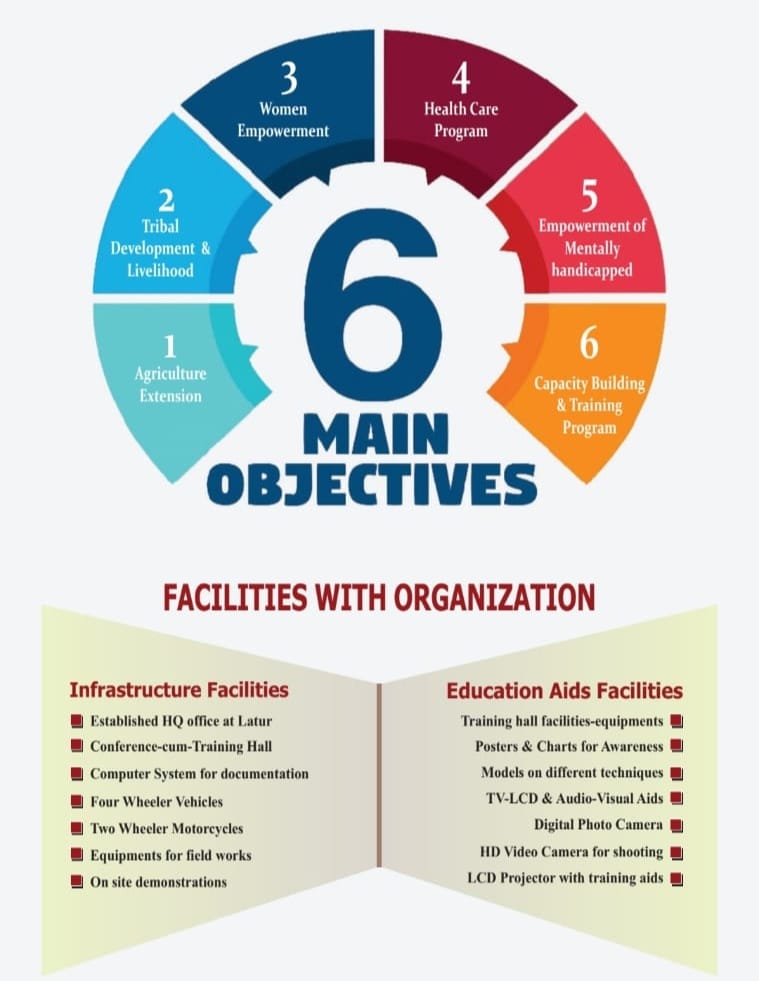
NGO Established in 2014, we are dedicated to drive positive change in Maharashtra. Our focus encompasses vital areas such as social and educational development, child and woman empowerment, rural progress, and health and hygiene enhancement. Committed to foster a brighter future, we work tirelessly to uplift communities, empower women and children, and improve overall well-being through skill development programs, health and education awareness campaigns, building school for children, etc.

Our focus areas


An integrated approach to build a equitable and empowered society


Mission & Vision


OUR VISION

Our vision is to empower communities through their holistic development, promoting equality and well-being for all.

OUR MISSION

To create a positive impact by promoting social and educational development, empowering women and children, driving rural progress, and enhancing health and hygiene standards.


Programs

Residential School for SC Women Empowerment

By providing a residential school, our aim is to empower Scheduled Caste women through education, skill development, and confidence-building in a nurturing residential environment, fostering their personal and professional growth.

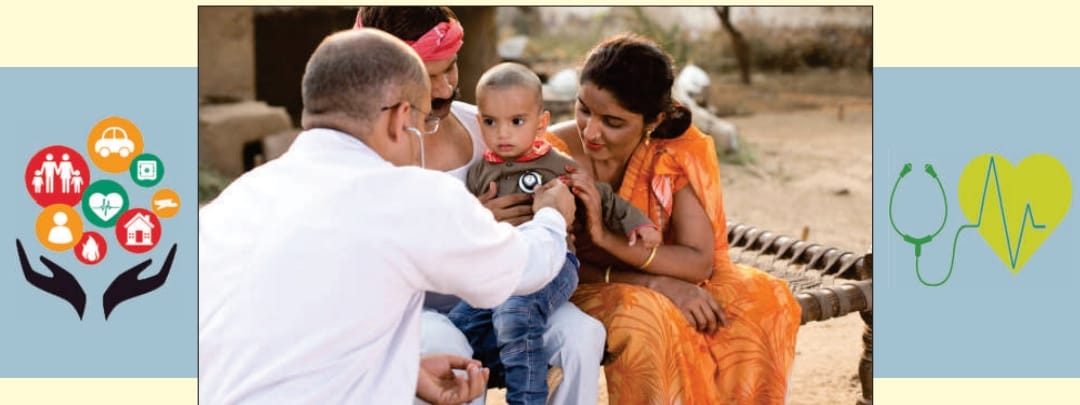
Health Awareness Program in Rural Areas

A Health Awareness Program in rural areas focuses on educating communities about essential health practices, disease prevention, hygiene, and access to healthcare services. These programs aim to improve overall well-being by addressing common health issues, promoting healthy lifestyles, and providing information on nutrition, sanitation, maternal and child care, and communicable diseases. The initiative helps rural populations become more informed about their health and encourages them to seek timely medical assistance, ultimately improving the quality of life in underserved regions.


Our Activities

08-Jul-2025

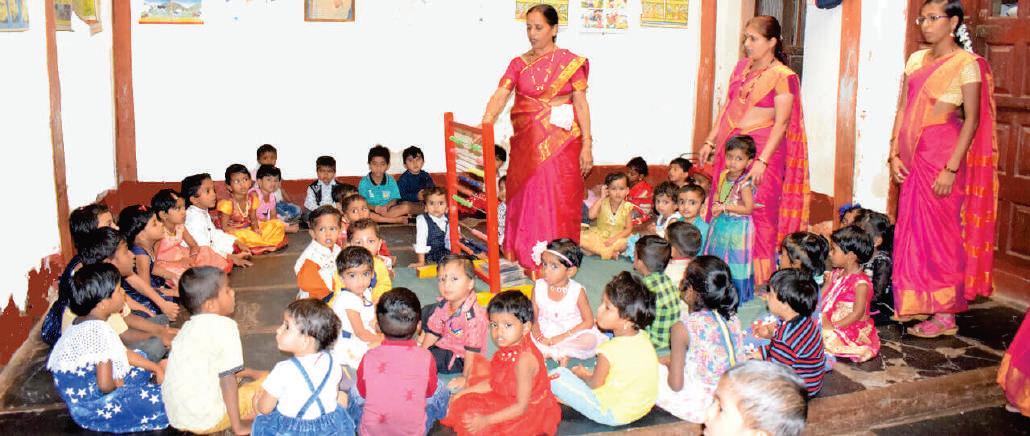
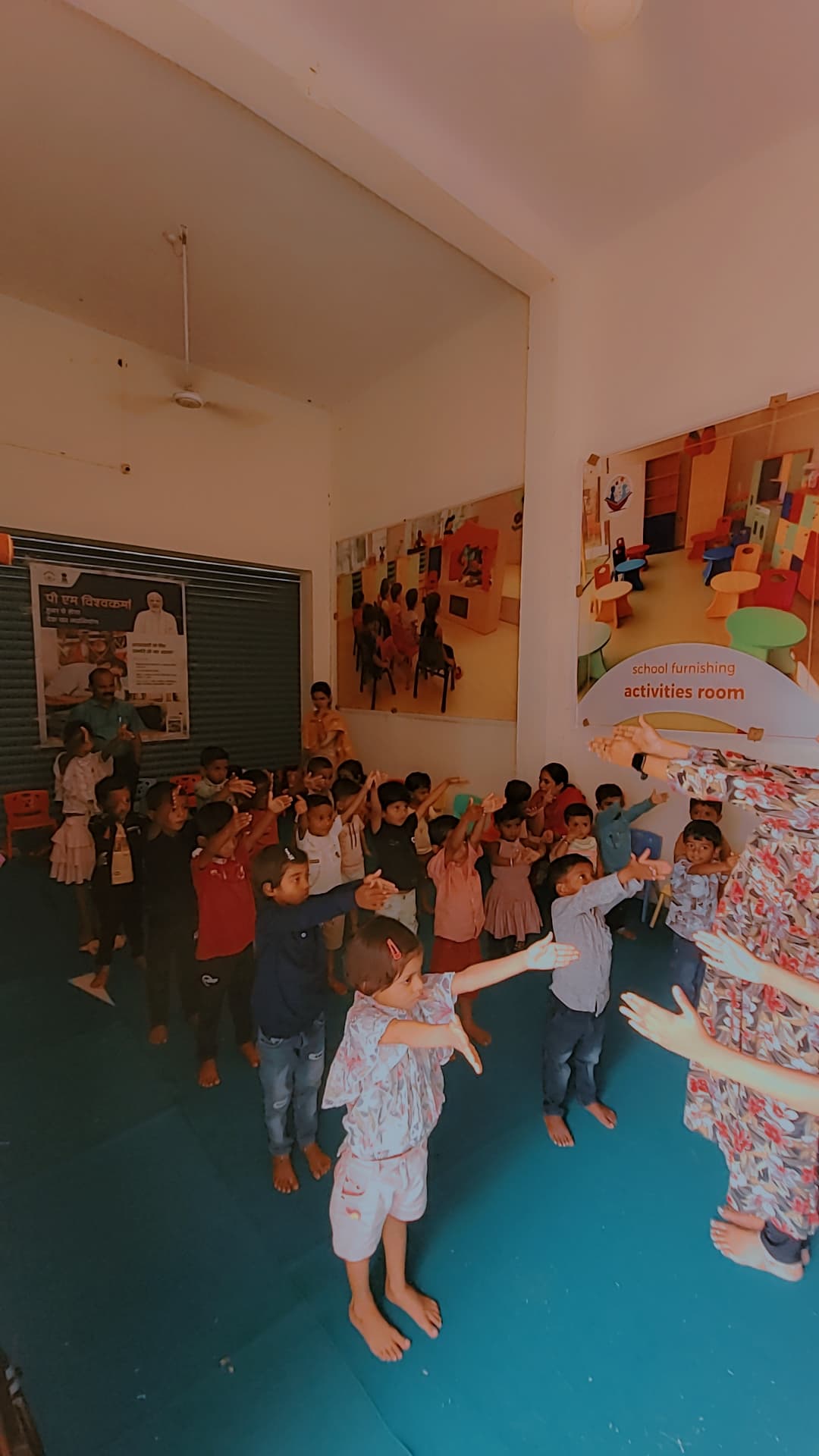
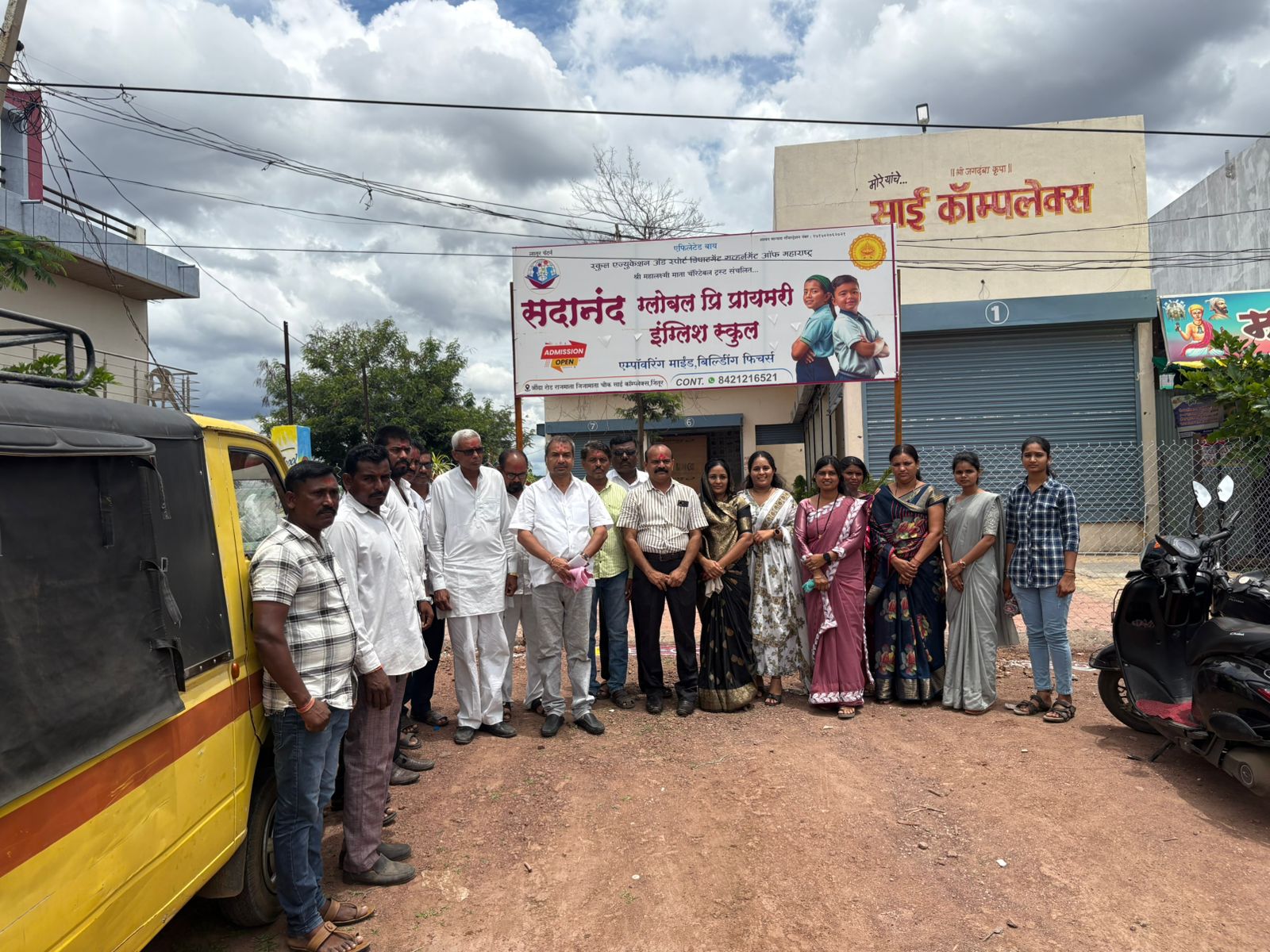
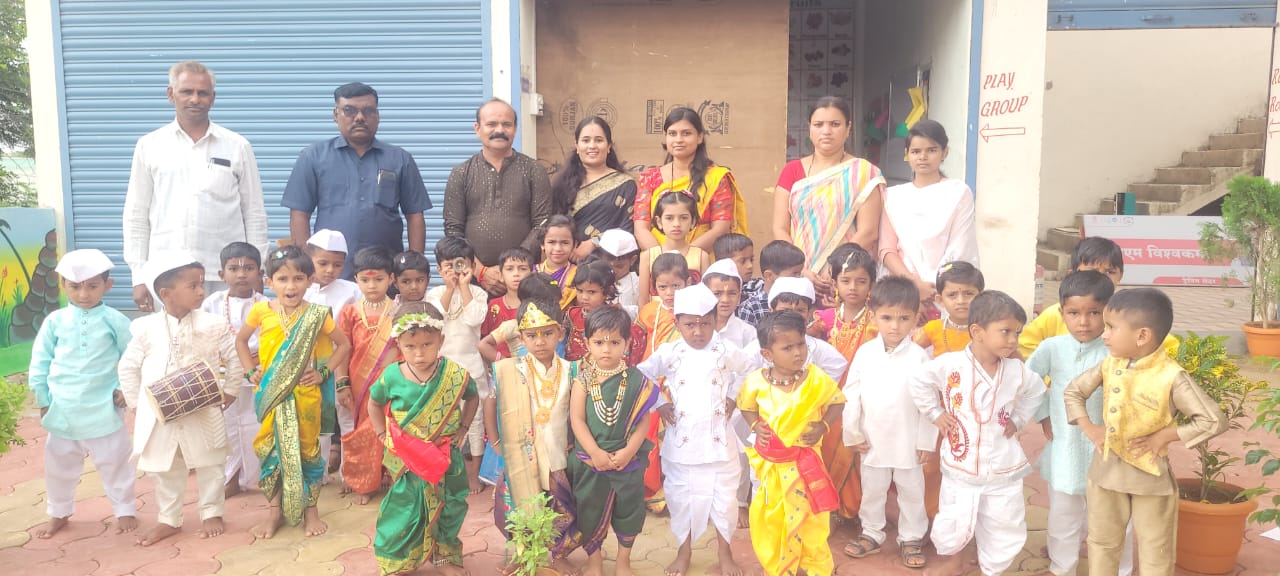
The NGO is running a government-recognized Pri-Primary school

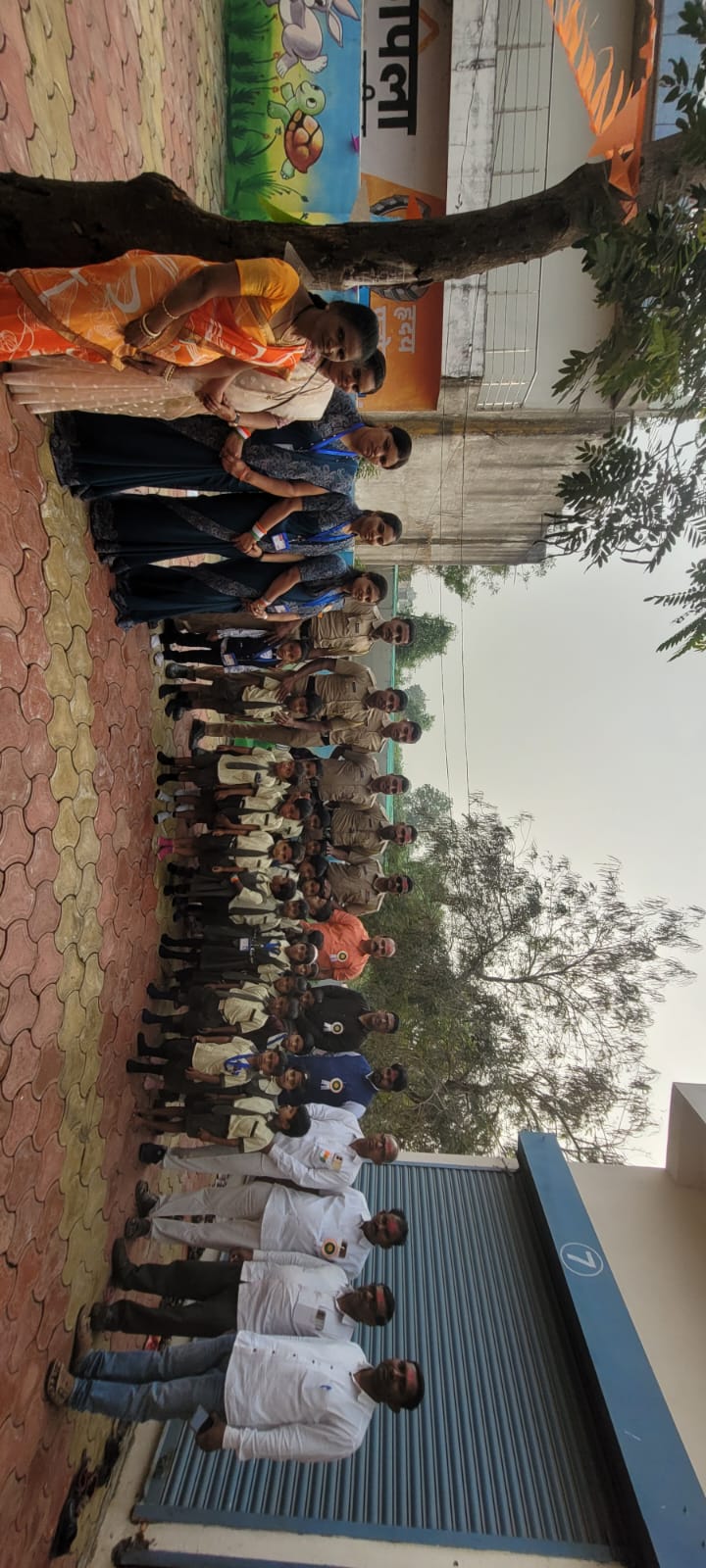
Our NGO, with the approval of the School Education and Sport Department Government of Maharashtra, has started a school at Sadanand Global Pre-Primary English School, Aundha Road, Jintur District Parbhani in the year 2025 - 26 in which Nursery, Play Group, LKG, UKG, is being run with a total of 50 + students studying.
02-Apr-2025

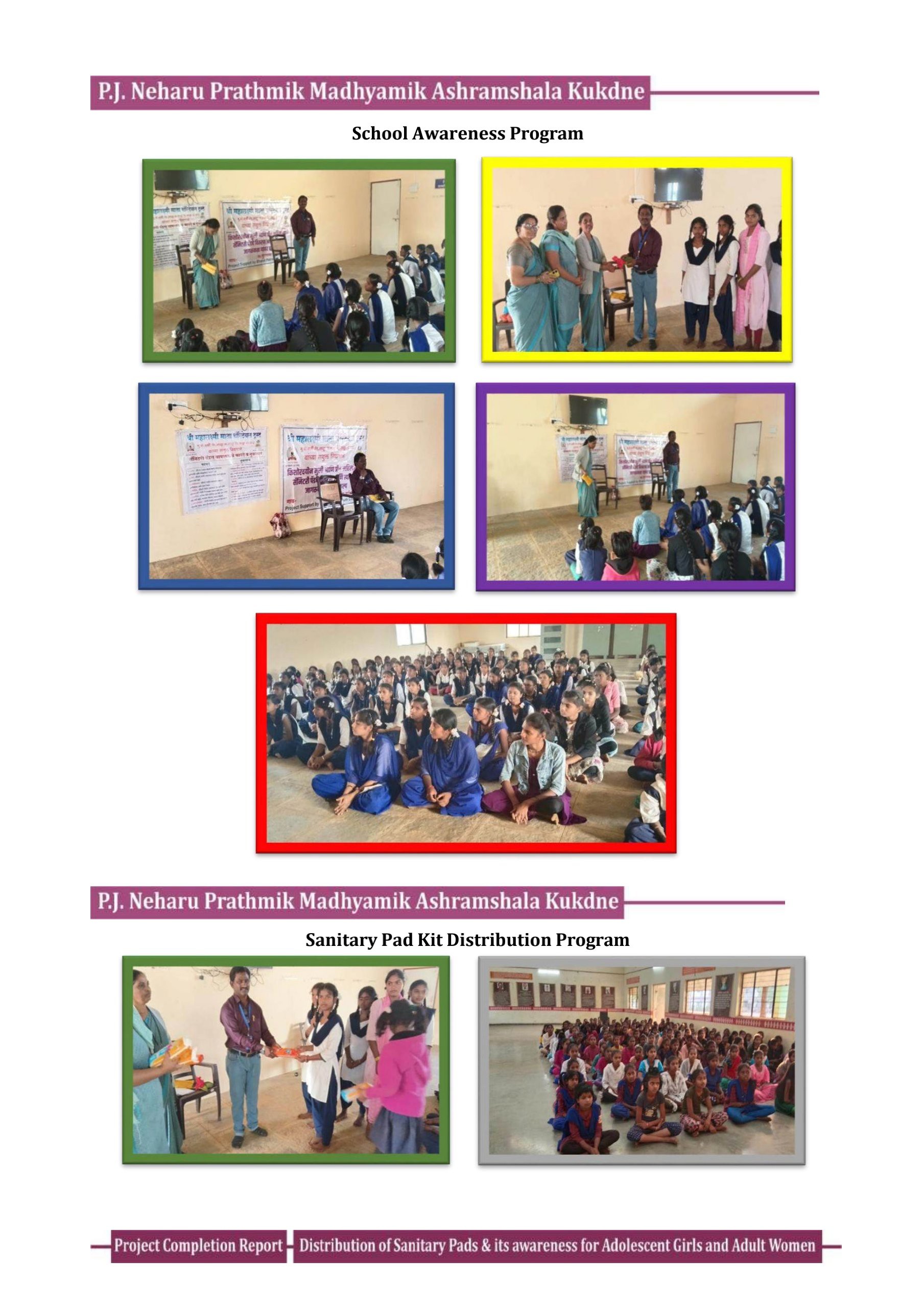
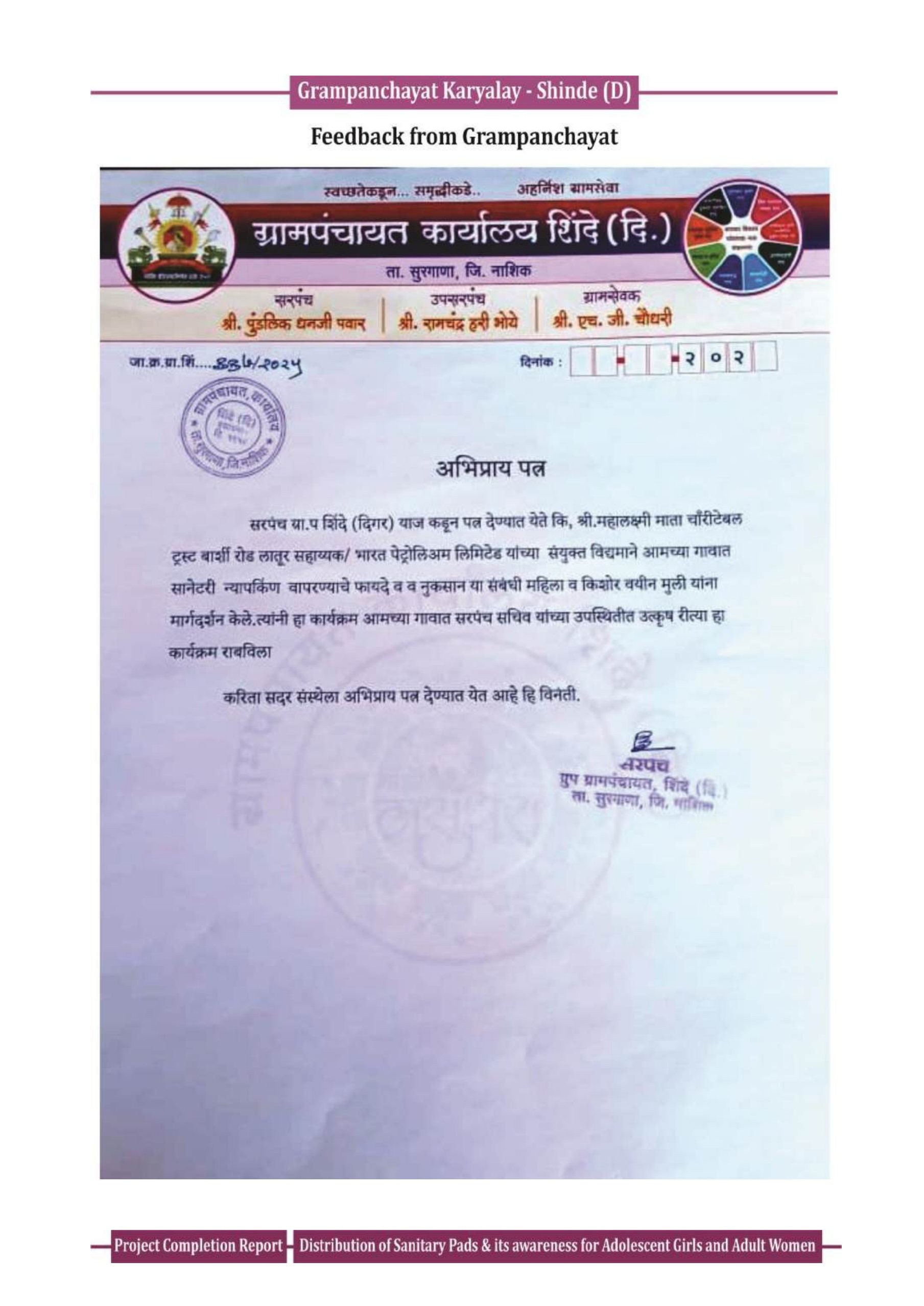
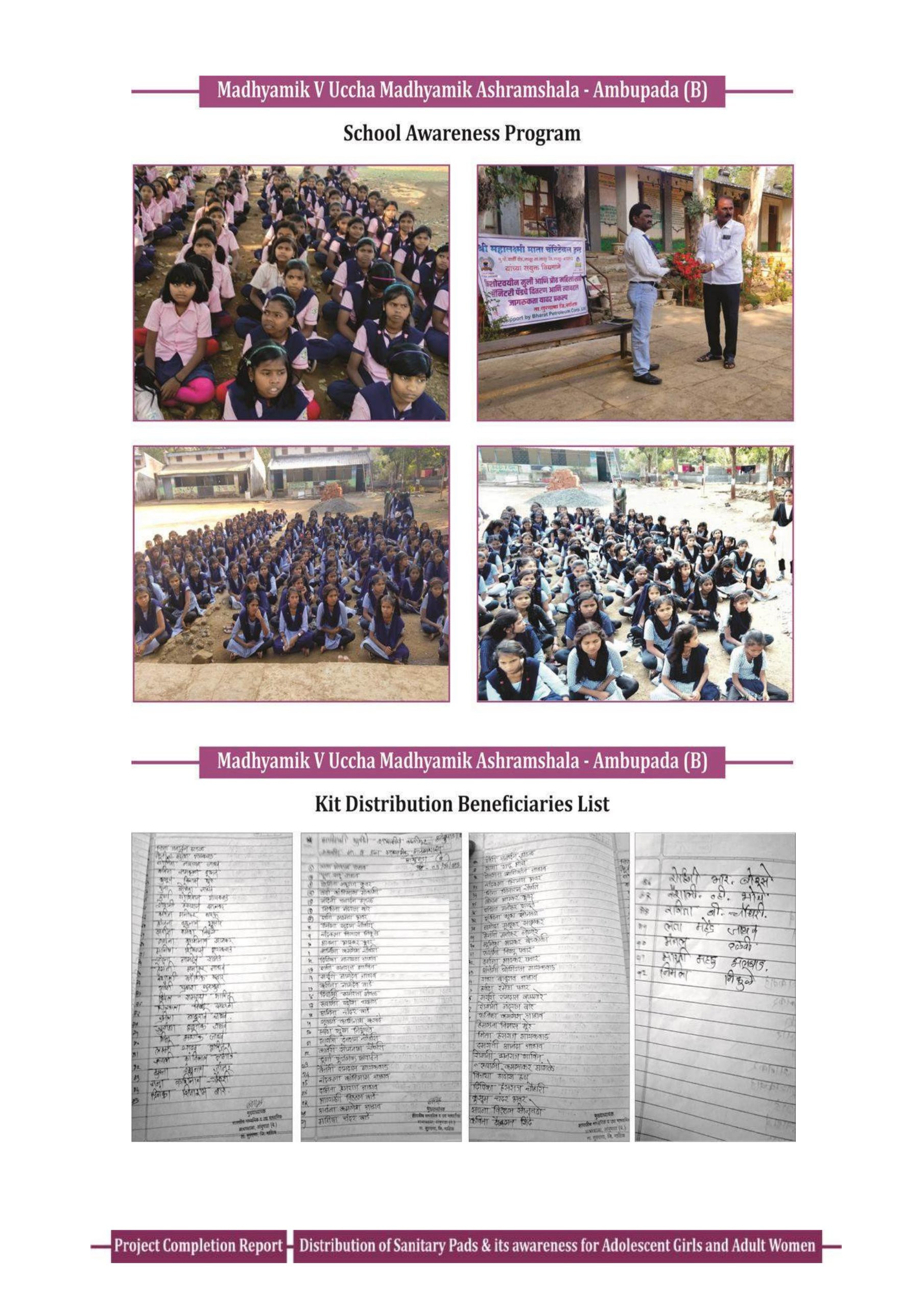
Distribution of Sanitary Pads and its awareness for Adolescent Girls and Adult Women

Project Name :- Distribution of Sanitary Pads and its awareness for Adolescent Girls and Adult Women. Supported by :- Bharat Petroleum Corporation Ltd. It is necessary to create awareness about the health of rural women and school girls and their menstruation. It is necessary to inform them about the related problems. It is necessary to create awareness about this in rural areas. Women and girls in rural areas face maximum problems in this regard. Because they don't have much knowledge about it and they dare to share these problems with other family members. There is a need for this and other health related observations. According to research over 80% of women in India do not use sanitary napkins. Sanitary napkins are generally unavailable in rural areas. Therefore, women resort to age-old alternatives like cloth, ashes, and husk sand during menstruation. These substitutes are not only extremely uncomfortable but also the cause of various diseases and infections, some of which have lifelong effects. Unhygienic menstrual practices can affect the health of the girls/women and there is an increased vulnerability to reproductive tract infections and pelvic inflammatory diseases and other complications. Women from rural area are not using sanitary napkin due lack of awareness, non-availability at village level, high cost of marketed napkins and also shame to buy it from male shop keeper when available. To overcome these all reason and to make women and girls to use sanitary pad for better menstrual hygiene, Shri Mahalaxmi Mata Charitable Trust start sanitary napkin- for women by women program. The main objective of this project is to empower women and they need knowledge about their health. Through this, rural women and school girls will be given free sanitary napkins and awareness about it. In this background, the organization implemented this project in 16 awareness programs in Gram Panchayat of Eight villages in Surgana Taluka. Along with that, the organization implemented 15 awareness programs in the schools of the same Gram Panchayat. A total of 31 awareness programs were implemented under this project. Also in the villages of Khobala Mani, Umbarthan, Shinde, Kathipada, Shribhuvan, Mankhed, Thangaon, palsan etc. the organization implemented the activities of this project within 45 days of the project starting period. Under the project, 15000 sanitary pockets were distributed free of charge for adult women in the villages of Khobala Mani, Umbarthan, Shinde, Kathipada, Shribhuvan, Mankhed, Thangaon, palsan . Also, 25000 sanitary pockets were distributed free of cost to girls in schools and colleges in all the above Gram Panchayats.
26-Aug-2023

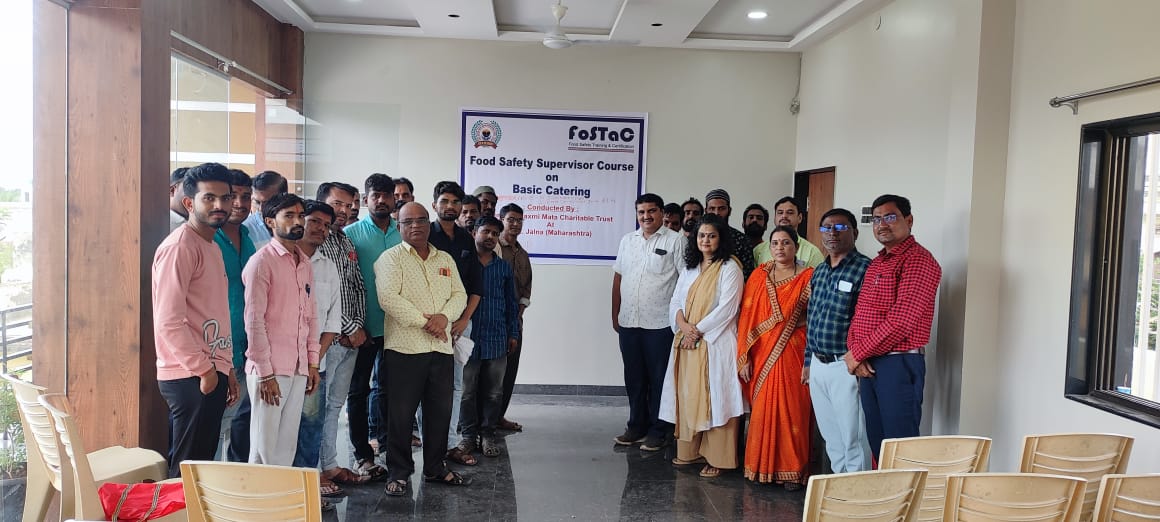
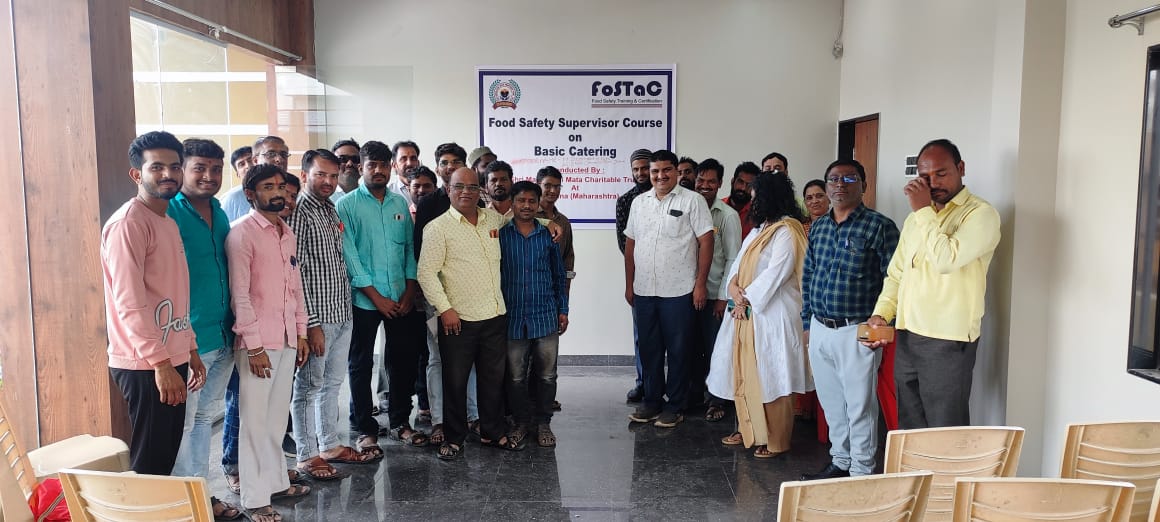
FOOD SAFETY TRAINING & CERTIFICATION PROGRAM
Our NGO is an authorized Training Provider for Food Safety & Standard Authority of India (Fssai). Our NGO conducted a basic, advanced, manufacturing food safety supervisory program.
14-Jun-2023

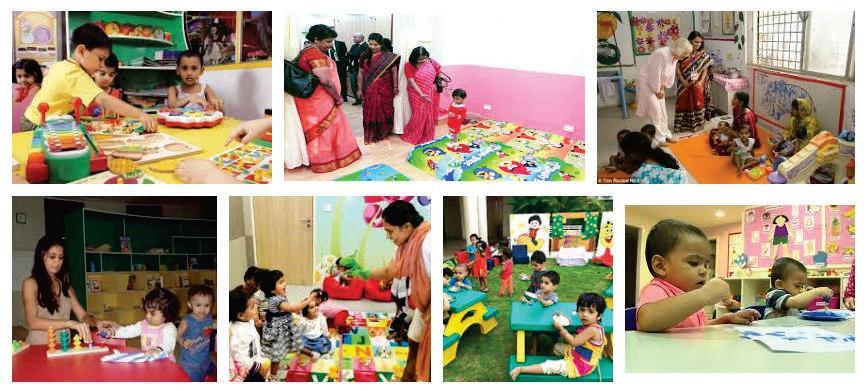
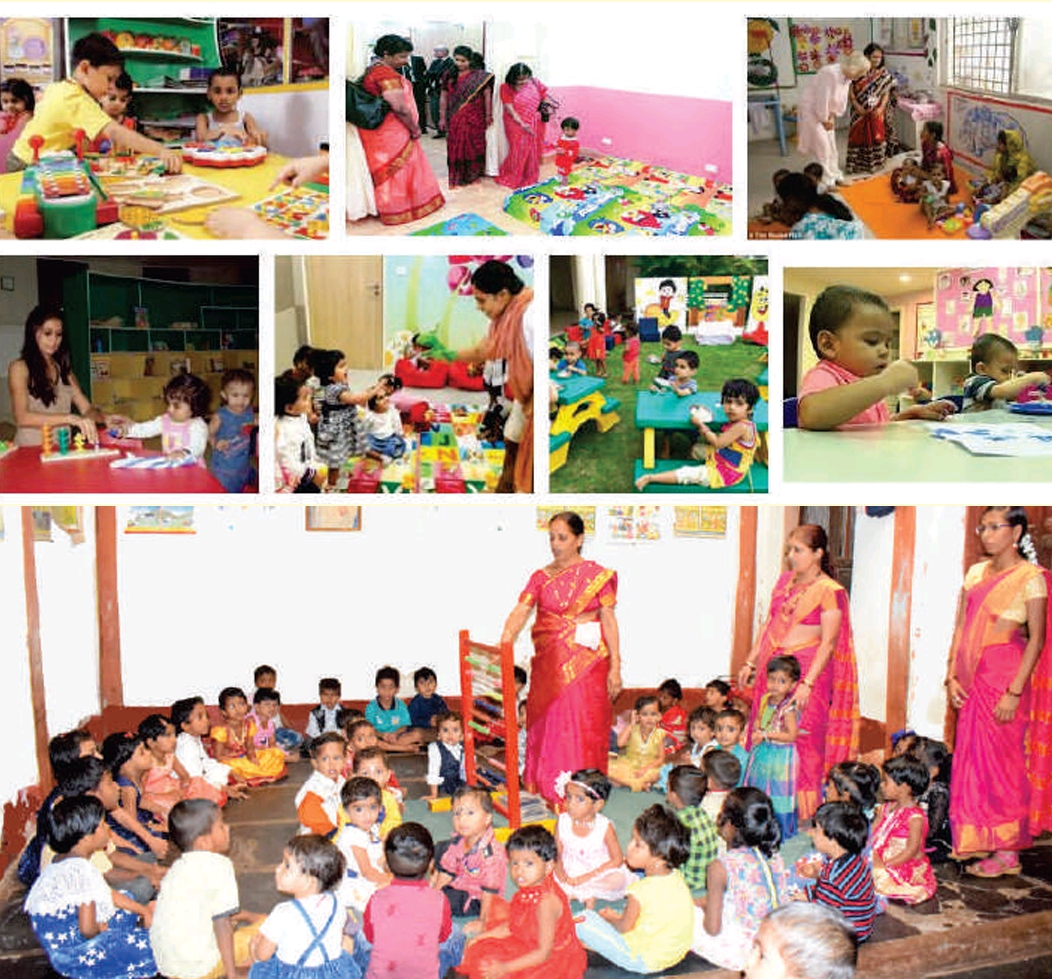
Rajiv Gandhi Creche Centre

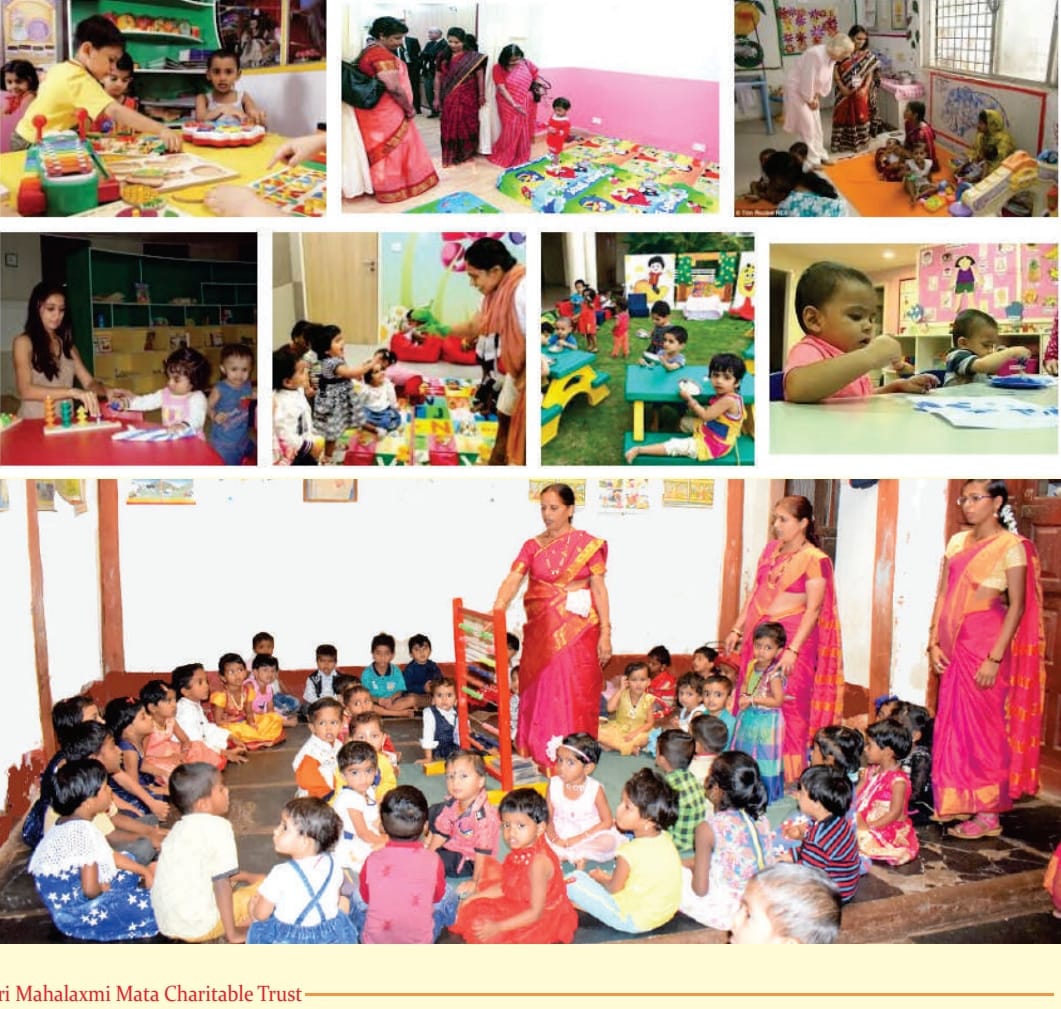
The Government’s sustained initiative on education and employment of women has resulted in increased opportunities for their employment, and more and more women are now in gainful employment, working within or outside their homes. The growing industrialization and urban development has led to increased migration into the cities. The past few decades have shown a rapid increase in nuclear families and breaking up of the joint family system. Thus the children of these women, who were earlier getting support from relatives and friends while their mothers were at work, are now in need of day care services which provide quality care and protection for the children. Children who used to grow up in the secure and warm laps of their grandmothers and aunts are now confronted with an insecure and neglected environment; therefore women need a safe place for their children in their absence. It has become necessary to provide support to the young children in terms of quality, substitute care and other services while the mothers are at work. Effective day care for young children is essential and a cost effective investment as it provides support to both mothers and young children. Lack of proper daycare services is, often, a deterrent for women to go out and work. Hence, there is an urgent need for improved quality and reach of day care services/crèches for working women amongst all socio-economic groups both in the organized and unorganized sectors. CrA crèche is a facility which enables parents to leave their children while they are at work and where children are provided stimulating environment for their holistic development. Crèches are designed to provide group care to children, usually up to 6 years of age, who need care, guidance and supervision away from their home during the day. There are 12 Creche Center in this district. Being a drought prone area, there was lack of this facility so this provided a good opportunity here. To provide day-care facilities for children (6 months to 6 years) of working mothers in the community. l To improve nutrition and health status of children. l To promote physical, cognitive, social and emotional development (Holistic Development) of children. l To educate and empower parents /care givers for better childcare. The scheme will provide an integrated package of the following services: l Daycare Facilities including Sleeping Facilities. l Early Stimulation for children below 3 years and Pre-school Education for 3 to 6 years old children.Growth Monitoring. l Health Check-up and Immunization
25-May-2023

Tree Plantation..

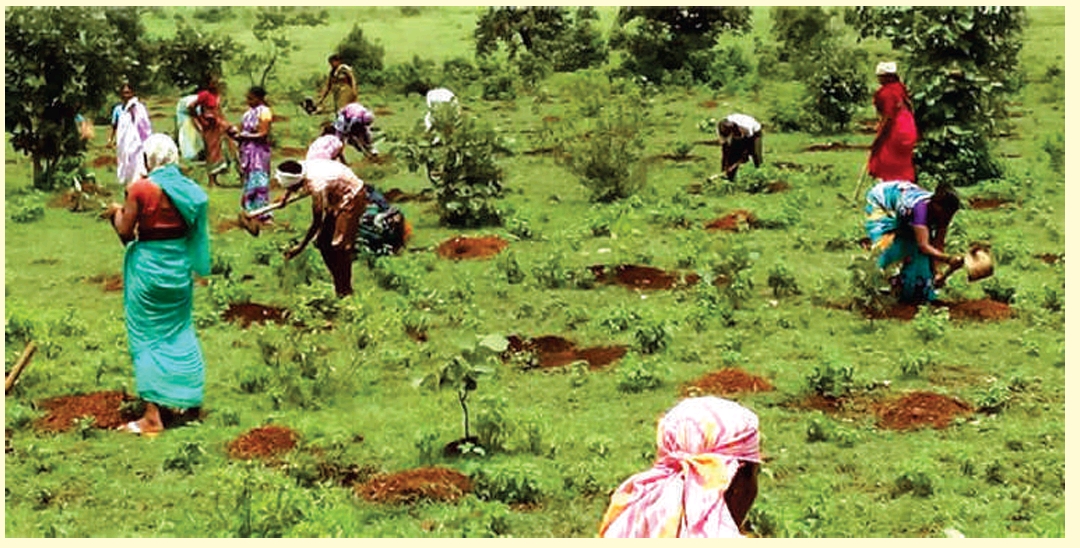
Tree plantation is generally carried out in the waste land, forest land, road sides and farmers field according to the availability of space. This is one major remedy for erosion and water run-off as well as water recharge is plantation. The more the number of plants will grow, the better the ecological balance. The plants we will prefer will be of dense canopy so that transpiration rate can be reduced and it will be a good habitat for the birds. Plants like Neem (Azadirachta indica), Gliricidia (Gliricidia sepium), Kashid (Cassia siamea), Custard apple (Annona reticulate) are used for plantation activities as it is suitable for this region. Our organization has undertaken Tree plantation rd on every Van savardhan Din (i.e. 23 July) & Maintenance of these trees. On the occasion of "Van Sanvardhan Din" (23rd July 2019) important plants at open space near somnathpur & roadside of the village somnathpur also on roadside areas of State Highway in Udgir. The Teachers, students, the villagers were also present during the programme.The number of plants such as Ficus benghalensis L. (Wad), Ficus racemosa L. (Umbar), Ficus religiosa L.(Pimpal), Delonix regia (Boj. ex Hook.) Raf. (Gul–mohor), Citrus aurantifolia (Christm. & Panz.) Swingle (Nimbu),Michelia champaca L. (Champa, Kud–champa, Pivla–champa, Son–chapha), Mitragyna parvifolia (Roxb.) Korth.(Kadam), Saraca asoca (Roxb.) de Wilde (Ashok), Lagerstroemia reginae Roxb. (Taman), Phyllanthus emblica L.(Avla), Tectona grandis L. (Sag), Terminalia catappa L. (Badam), etc. were planted on this occasion. These are the plants of oxygen banks and keep environment pure and clean. Some of the medicinal plants were also planted on the occasion. Also distributed plants to the residents of nearby villages. Nearly 110 people participated in this programme. Trees give off oxygen that we need to breathe. Trees reduce the amount of storm water runoff, which reduces erosion and pollution in our waterways and may reduce the effects of flooding. Many species of wildlife depend on trees for habitat. Trees provide food, protection, and homes for many birds and mammals.
03-Jun-2019

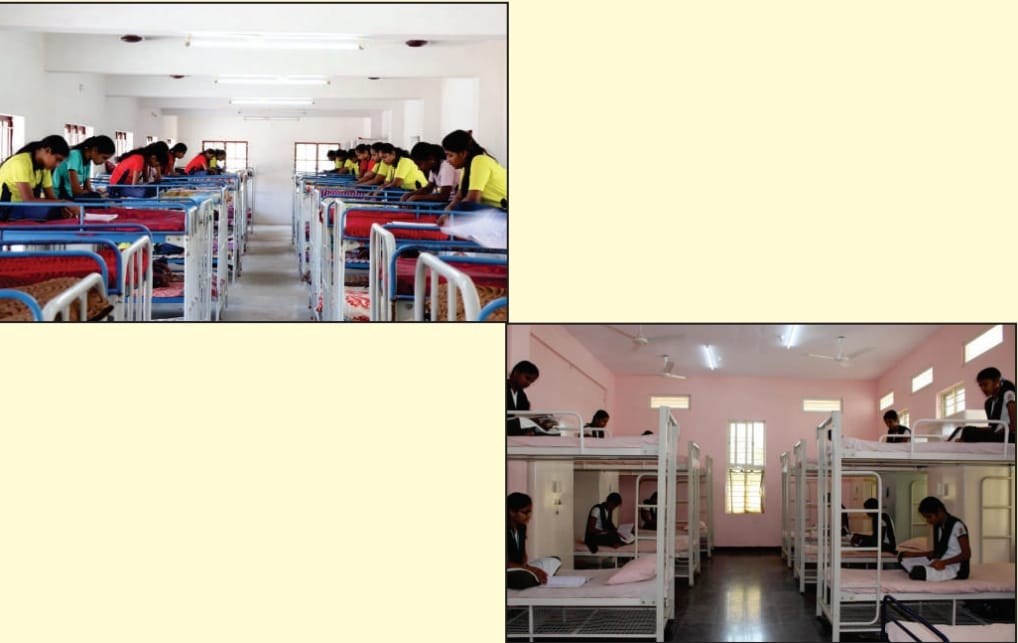
SC Girls & Boys Students Hostel Facilities.

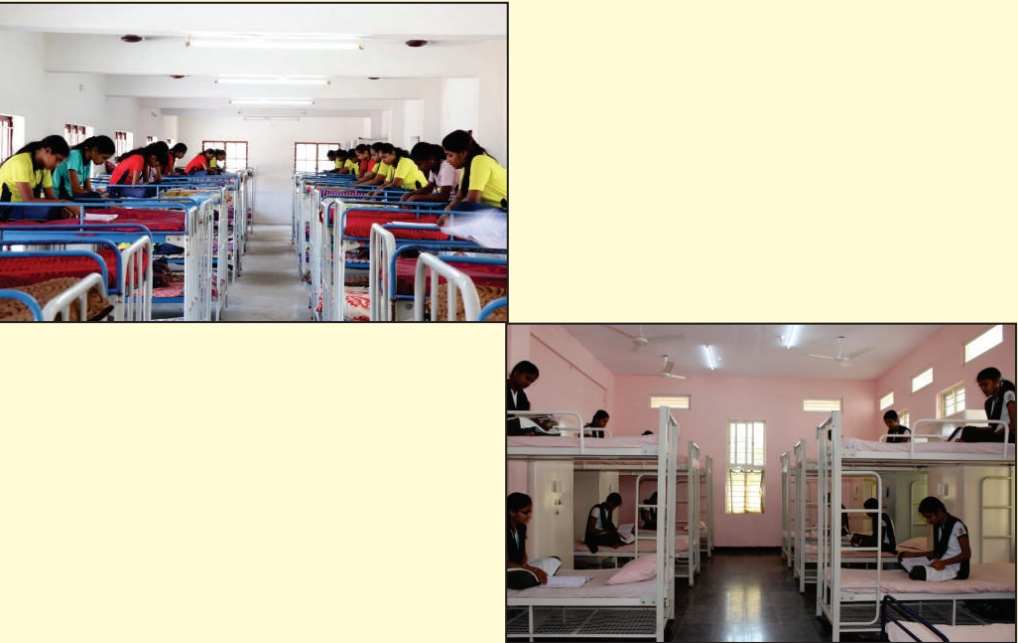
India, one of the largest democracies in the World has a Population of over1.2 billion as of today. Most of the people in India are living below the poverty line and are facing many problems, viz., lack of food, shelter, health care, education and un-employment and thus the people live inutterpoverty. Povertyhas always been recognized as the major cause of death and disability. Poverty brings on lack of safe Drinking Water, inadequate food, poor health care and poor education. All these will have effect on health. Maharashtra State is the largest State in India in Population and area. As per reports the population is about 126 millions as on today. The poverty situations in Indian context, reflects in the State of Maharashtra. The families in rural areas are normally large and often face the problems and the earning members of the family unable to cope up with the situations. Sometimes they may not get work to earn. Eventually they migrate to other places in search of livelihood or starve tomeetdeath or disease. The struggle of the poor starts in the womb. The child in the womb suffers from the consequences of malnutrition in the mother. Due to all these reasons, parents worry about the education and living facilities of the students. Therefore, the need for education, food-water and shelter in rural areas is more. There is a large number of students from Dalit disadvantaged families in rural areas. So there is a lack of education. Therefore, the institution is trying to bring the students there in the academic merit list. So Dalit and underprivileged students can fulfill their future through education. After studying this in detail, the organization found the neglected and underprivileged areas of Marathwada for this facility and started the facility of SC Girls & Boys Hostel there. For this the organization got support under Ministry of Social Justice & Empowerment of India. The institution has created a hostel for boys and girls at the place. where the students need the accommodation facility to fulfill their academic quality and it is being implemented in a proper manner. For this, the organization Kalamba, Distt. This facility has been created at Osmanabad. Through this, residential arrangementswere made for students to stay there to stop the rush of students to and from. All the facilities required for shelterhave been made available to the students through this. Children do not face any problems in this place. Thus, an energetic atmosphere has been created in the student body. The skilled manpower required for this is available with the institute and itis benefiting the students to a great extent.
30-Apr-2019

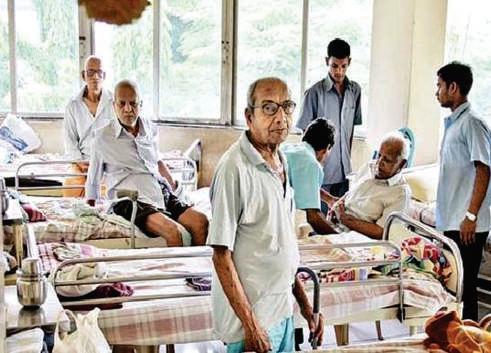
Old Age Home Facilities for Senior Citizens

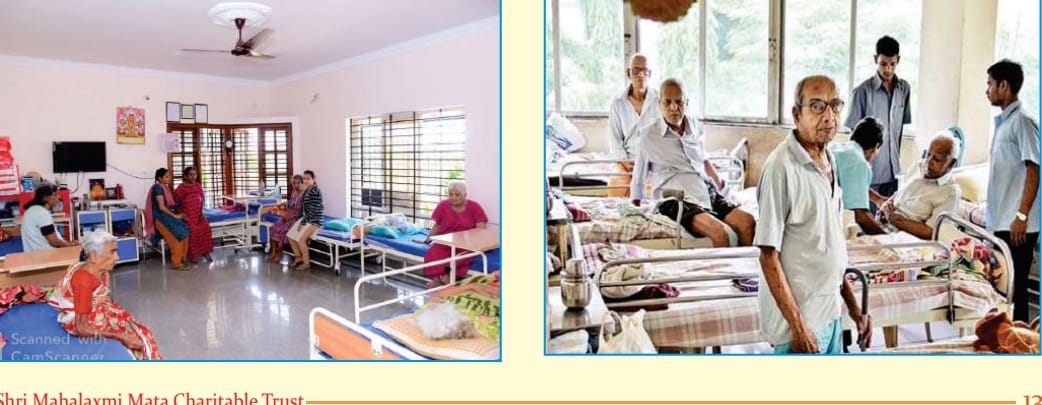
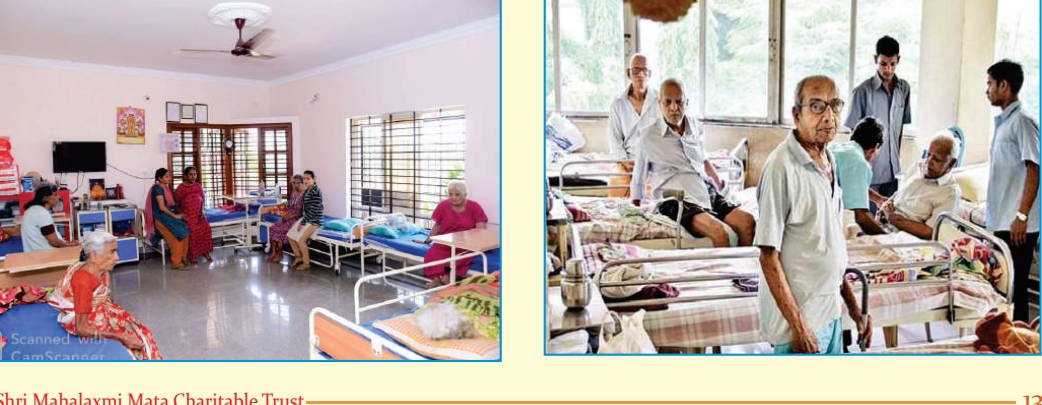
Elderly are an integral part of a population of any country who owe respect and attention equally like any other section. However, due to changing family structure and modernization, elderly population is facing inevitable challenges to live their life respectfully. Loneliness, negligence and less importance, illness due to ageing and against treatment are the most of the treacherous conditions which elderly are facing. The world demography is changing rapidly and soon there will be more old people than children and even more people at extreme old age than in the past. People live longer and population of older people is increasing (WHO, National Institute on Aging 2011). Advancement in medical care, higher standard of living, advanced in technology and low birth rate especially in the developed countries are someofthe factors thatare fueling thedemographic changes. Ageing in India isexponentially increasing due to the impressive gains that society has made in terms of increased life expectancy. With the rise in elderly population, the demand for holistic care tends to grow. Very old people, due to their reduced mobility and debilitating disabilities, need other people to do things for them. With the increasing trend of nuclear families in the society and with fewer children in the family, the care of older persons in the families gets increasingly difficult. Therefore, it is necessary to safeguard the elderly people who are absolutely neglected, ill-treated and vulnerable. It could be addressed by establishing a care giving unit especially for the elderly people that will dedicatedly work on meeting their needs. At present the population of senior citizens in Maharashtra is nearly 1.25 crore. There are more than 200 Old Age Homes in Maharashtra. It is important to understand the social aspects concerning aged in the country as they go through the process of ageing. Changing lifestyle, availability, accessibility and affordability of health care, increased life expectancy, rapid urbanization and economic dependency have led to an emergence of varied problems for the elderly in India. Ageing of the population has brought about concerns on how to keep older people living at home as long as possible. During the ageing process, coping with the situations of everyday life and meeting its demands become even more personal than before. From the old person's point of view, the decreased functional ability and suffering from various health complaints also means dependency on others for carrying out activities of daily living, which may be more or less hard to live with. There are various problems faced by elderly in India. The traditional Indian society with an age-old joint family system has been instrumental in safeguarding the social and economic security of the elderly people. The traditional norms and values of Indian society also laid stress on showing respect and providing care for the elderly. However, with the emerging prevalence of nuclear family set-ups in recent years, the elderly are likely to be exposed to emotional, physical and financial insecurity in the years to come. There is an upward trend in the living arrangement pattern of elderly staying alone or with spouse only from 9.0% in 1992 to 18.7% in 2006. Family care of the elderly seems likely to decrease in the future with the economic development of the nation and modernization. Intervention The Mahalaxmi Organization has identified these needs and to provide the elderly with the required support, the organization is proposing to build an Old age home for needy elderly people from Kalamb, Dist. Osmanabad and Latur district of Maharashtra. Under this, orphans and poor senior citizens are provided shelter, food supply, health care and they are taken care of from time to time. The foundation runs care giving units or more commonly Vriddhasrams for the elderly. The organization understands that an elderly person deserves the attention of their family but statistics show thatthe number of neglected elderly people is increasing rapidly and there is a great need for intervention to solve the problems of the elderly. Knowing this situation is ready to deal with this problem. Considering the current need, this facility is being provided through the organization.
07-Jun-2018

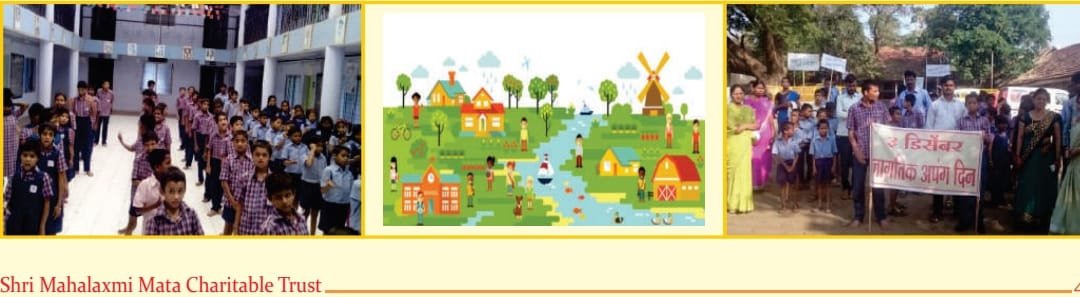
2) Educational Activities under Nursery School & Residential School for SC

Our organization is running Nursery School in Latur in a good and efficient manner. We also conduct educational training programs for secondary school students. Our NGO is SC under Ministry of Social Justice, State of Maharashtra. Runs a residential school for the beneficiaries. A large number of poor students participated in this. Being a deprived area, it was necessary to implement educational activities there. Due to this, enthusiasm was seen among the beneficiaries in those rural areas. Under this free education was made available to poor and promising students and students from other groups. If the children of rural areas want to brighten theirfuture, they were given this facility in theirownvillage through the Nursery school. Through the establishment of Nursery School Ambejogai taluka from Beed district and Latur, the School is constantly striving to provide infrastructure facilities to the students and to make the students of rural areas aside from the underprivileged and become self-reliant through education and to achieve more quality and develop themselves holistically. The facilities of primary and secondary school educational activities. All infrastructure facilities are available and the students are getting the guidance of expertteachers and competitive exams are organized through the school. At present more students (mostly from slum area & deprived communities) are getting education in this school. Due to this educational activity, the crowd there seems to be enthusiastic and motivated. Hope was created in the children to createa future.

Our Impact

It is the small change that makes the biggest impact.

Members


Board Members

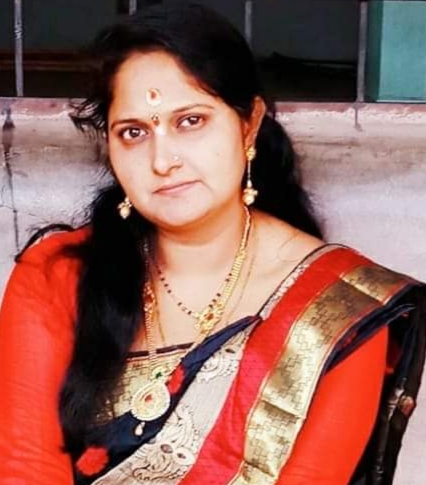
Chaya Patange

Secretary and Project Coordinator

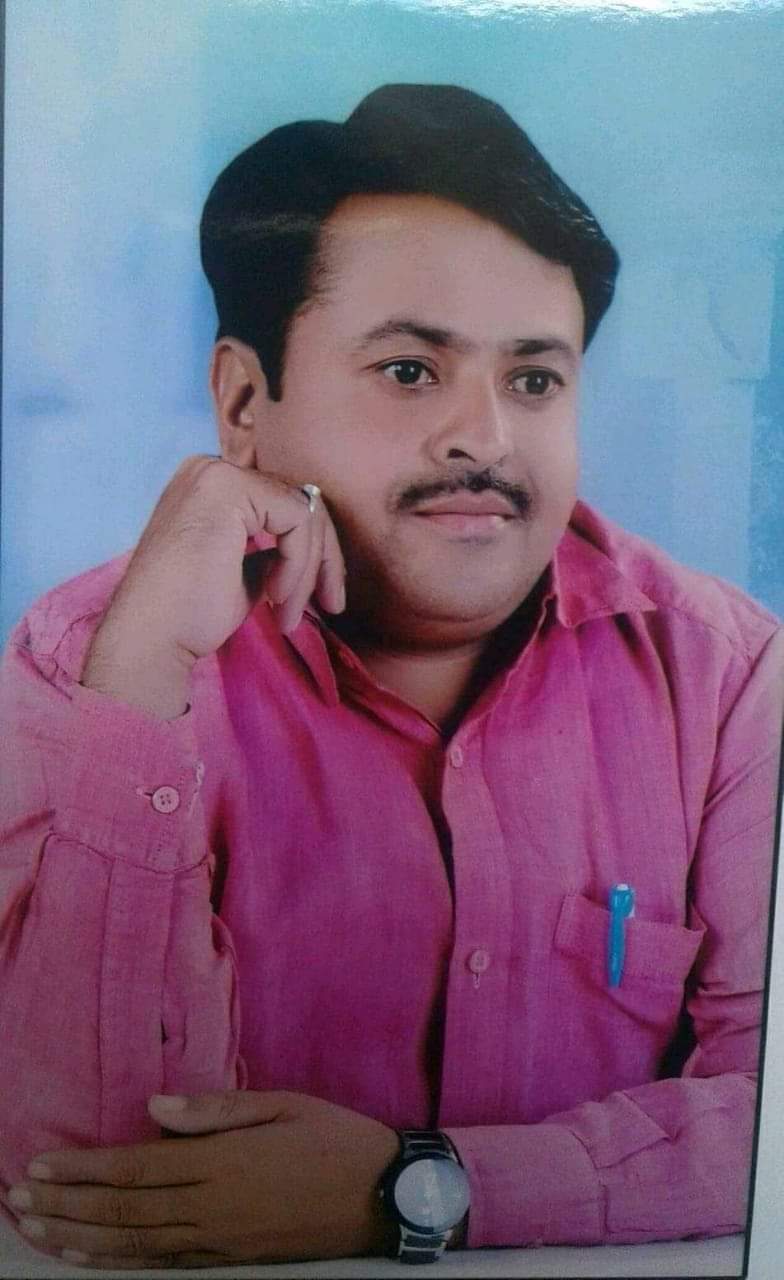
Maheshwar Patange

President and Project Manager

Umesh Patange

Treasurer

Team Members

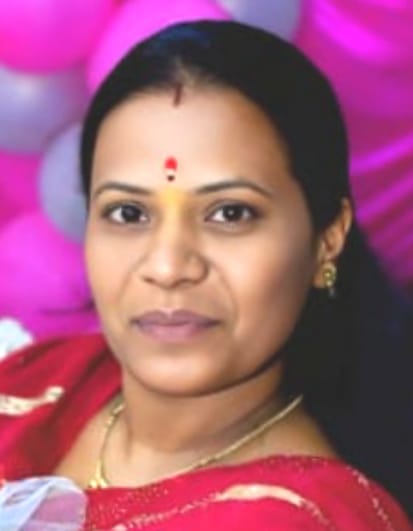
Mrs. Shivkanya Gaikwad - Patange

Project Incharge of Edutional Projects.

Shri. Prasad Keshavrao Deshmukh

Project Incharge of Sadanand Global Pri-Primary School

Reports


Make a generous donation to help us reach more beneficiaries.

Account Number: 1323102100000184

Bank: PUNJAB NATIONAL BANK

Branch: KAVA ROAD, LATUR

IFSC Code: PUNB0132310


UPI ID: shrimahalaxmiproject@okhdfcbank


All donations are eligible for tax savings under 80G.

VOLUNTEER WITH US

Volunteer with us for making a difference in somebody's life and also it is a good opportunity for you to give back to the society. For more information, mail us at [email protected]


Get in touch

Mailing Address

Barshi Road, Distt.- Latur, Maharashtra, 413512.

Email Address

[email protected]

Phone Number

8888442920

BARSHI ROAD, LATUR DIST-LATUR, MAHARASHTRA
https://razorpay.me/@shrimahalaxmimatacharitabletr